
Solar-Ready Commercial Roofs: Preparation & Repair

Solar-Ready Roofs · Commercial Roofing Prep
How to Get Your Commercial Roof Ready for Solar Panel Installation
For over 25 years, Pacific Roofing Systems has proven to be Orange County’s premier solar-ready roofing company and is often considered the best roofer for solar preparation throughout Southern California. Contact us for the highest quality roofing contractor you can trust to complete your project with great care and expertise.
Roof-mounted solar panels are a great way to harness the sun’s power and reduce energy costs. A roof offers an ideal location for solar panels as it typically gets a great deal of sun exposure, which is suitable for maximizing your building’s solar energy production. Even on cloudy days, high-efficiency solar panels installed on your roof can generate power in low light as they capture direct and indirect sunlight.
The Solar-Ready Roof
At first, a rooftop solar energy system appears straightforward; however, pitfalls could arise without an experienced roofer being involved. A roof not designed to allow for the additional weight of a solar energy system could lead to significant cost overruns and project delays.
Many property owners move ahead to install solar panels only to realize later that their roofs may need replacement sooner than anticipated. The cost of removing the solar panels to install a new roof can be considerable, not only because of the labor involved in removing the solar panels, but also because they will need to be installed all over again. Our advice is to make sure your roof is solar-ready now.
Pacific Roofing Systems will do an in-depth inspection of your roof and decking to ensure there are no underlying issues. Pacific Roofing Systems will, for example:
- Ensure that anchors or supports are installed correctly for the solar racking system. This requires considerable coordination between us and your solar contractor.
- Specify that the adhered membrane system has an expected service life equal to or greater than the solar array.
- Utilize a protection course between the ballast trays of the racking system and the roofing membrane to provide protection and facilitate drainage.
When investing in a rooftop solar energy system, it’s essential to ensure that your roof can last as long as the estimated life of your solar panels. Installing the right roof components can help ensure you receive the anticipated return on your investment.
Why Solar-Ready Roofs?
Solar-ready roofs ensure they can comfortably handle the planned or future solar energy system load, conditions, and reflectivity. It is not just the weight of the solar energy system, but also the weather conditions. The solar energy system can add up to 4 lbs. per square foot and over 40 lbs. at the attachment points. If you choose a ballasted system, it could add another 10 lbs. per square foot.
Turning off and disconnecting the solar energy system to repair the underlying roof can be expensive. An installed solar energy system can limit future access to the entire roof field. Pacific Roofing Systems can help ensure your roof’s service life matches the service life of your chosen solar energy system.
Why roofs are ideal for solar panels.
Roofs are the most common installation location for solar power systems –for a good reason. An unobstructed roof with slopes toward the sun helps maximize sun exposure and energy production. The more sun exposure panels get, the more solar energy they can produce to help replace power from the grid. A roof on residential structures will be evaluated on several factors to determine suitability for solar panels:
- Type of roofing shingles (materials) – asphalt, metal, tile, etc.
- Roof type (style or design) – gable, hip, gambrel, etc.
- Roof slope and the direction it faces
- Overall condition

Pacific Roofing Systems is here to assist as you investigate your options; you want your roof to last as long as your solar energy system. Our proposals consider your needs regarding longevity, function, appearance, manufacturer, code requirements, budget, and safety.
At Pacific Roofing Systems, we provide solar-ready roof construction for residential homes, multi-family apartments, townhouses, condos, businesses of all kinds, large-scale industrial complexes, small-scale shared utilities, and nonprofit organizations throughout Orange County. The same care is given to every solar-ready roofing project, regardless of the scope or venue. We have extensive local experience working closely with many Southern California solar installation companies.
Pacific Roofing Systems can help by preparing your roof for a solar energy system, whether you are considering one now or in the future.
How to Prepare for Solar Roofing
How old is your roof?
When you start a solar installation project, one of the first questions your solar consultant will ask is about the age and condition of your roof. If your roof needs to be repaired or replaced, it’s wise to have it done before installing solar panels.
A general guideline is that asphalt shingle roofs should be ten years old or less and in good condition before beginning solar panel installation.
If your roof is over ten years old, it’s prudent to schedule an inspection with a qualified roofing company to see if it is ready for solar panel installation. Repairing or replacing your roof before having solar panels installed can help you avoid the need to have the solar arrays removed and then reinstalled later.
Is your roof in good condition?
During a roof inspection, a Pacific Roofing Systems contractor will check your roof and attic for potential signs of damage, such as leaks, and proper ventilation.
In addition to damaged shingles, other roofing components, such as underlayment, vents, or flashing, may also need to be replaced. It’s always best to repair or replace these items before solar installation begins.
Is your roof decking and structure in good condition?
The roof decking and overall structure should be in good condition before installing solar panels to avoid the need to remove and reinstall solar panels to fix a roof-related problem.
Does your roof have enough square footage?
Roof size matters when it comes to solar. Your roof may need to meet a minimum requirement of usable surface area to have solar panels installed. The minimum functional surface area allows solar panels to be correctly installed on your roof, helping you to meet your solar goals and comply with building codes. Most building codes require pathways of open roof areas for access and ventilation to clear smoke, fumes, and heat in a fire.
FAQs About Solar-Ready Roofs
What roof 'materials' are best for solar panels?
When considering adding solar panels to a roof install, it’s essential to know that not all roofing materials qualify for solar panels. For example, flat roofs covered in tar and gravel are unsuitable for solar panel installation, while asphalt roof shingles are suitable for supporting solar panels. A white roof reflects the sunlight onto the solar panels, plus the added benefit of keeping your roof cooler.
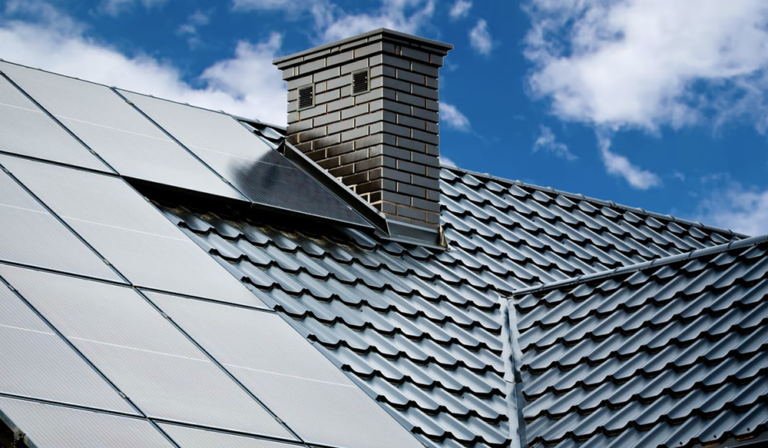
Metal roofs are the best for solar panels because, unlike other materials, metal offers the most extended service life. When installing a solar system, a building owner will benefit from a roofing substrate with a greater life expectancy than solar panels. Metal roof panels provide a natural platform for attaching solar systems without roof penetrations. Additionally, highly reflective metal roofs help keep rooftop temperatures cool, resulting in better performance from solar panels.
What roof 'style' is best for solar panels?
With a few exceptions, solar panels can be installed on almost any roof style. The roof on a house, building, garage, or barn could all be potential candidates for roof-mounted solar panels. Whether it’s a gable, hip, or a combination roof, your solar installer can figure out the best way to mount panels. Solar engineers and installers can split solar arrays into multiple sections to follow the rooflines and work around roof components, such as skylights, box vents, or pipe boots.
What roof 'slope' is best for solar panels?
To maximize sun exposure, a residential roof-mounted solar system should be at an angle equal to the latitude of its installation location, but this isn’t always possible. Your solar panel installers can help determine if your roof slope is suitable for solar panel installation. A roof slope that angles between 15 and 40 degrees should suffice for most solar power systems. Individual solar panels can also be adjusted to an optimal angle that maximizes sun exposure.
Flat and low-sloped roofs are excellent places to install solar energy systems. The top of most buildings is typically unused, has unobstructed spaces, and can transform the sunlight into power from dawn to dusk.
What roof 'orientation' is best for solar panels?
Another factor that impacts solar panel power production is the direction or orientation of the roof slope where the solar panels are installed. In Southern California, the general guidance is for solar panels to face south because south-facing sides of roofs get the most sunlight during the day.
Ready for a free estimate?
Call 949-495-4200 or fill out the form below:

