
Commercial TPO & PVC Roofing Contractor: Install & Repair

TPO: Thermoplastic Polyolefin
PVC: Polyvinyl Chloride · Repair & New Roofs
How to Choose the Best TPO and PVC Roofing Contractor for Your Project
For over 25 years, Pacific Roofing Systems has proven to be Orange County’s premier commercial roofing company and is often considered the best roofer for Thermoplastic Polyolefin (TPO) and Poly Vinyl Chloride (PVC) roofing throughout Southern California. Contact us for the highest quality roofing contractor you can trust to complete your project with great care and expertise.
TPO and PVC roofing systems are lightweight, highly reflective, provide excellent weathering, and resist UV light, punctures and tears, chemicals, and bacterial growth. These characteristics make thermoplastic roof membrane systems a popular choice in Orange County for restaurants and other businesses emitting oils or fats from ventilation systems. Other benefits range from high-temperature tolerance to high fire and high wind resistance.
These roof systems are synthetic substances that are softened when heated but harden upon cooling. They come in single-ply membranes that can be installed using various methods, including mechanical attachment, point-affixed, and fully adhered.
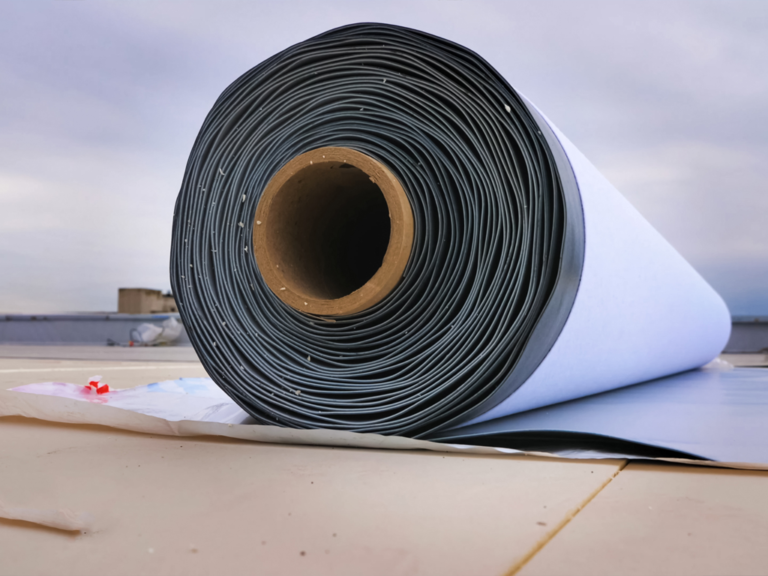
TPO Roof Systems
TPO roofs are the second most installed flat roofs in America. You may be familiar with TPO roofing if you’ve seen a bright white roof.
TPO membranes are made with a co-polymerized rubber, best recognized for having the benefits of EPDM and PVC systems at a more economical cost. TPO membranes are manufactured in sheets 10, 12, or 20 feet wide. These sheets are then rolled up and taken to the commercial facility, where they are to be installed.
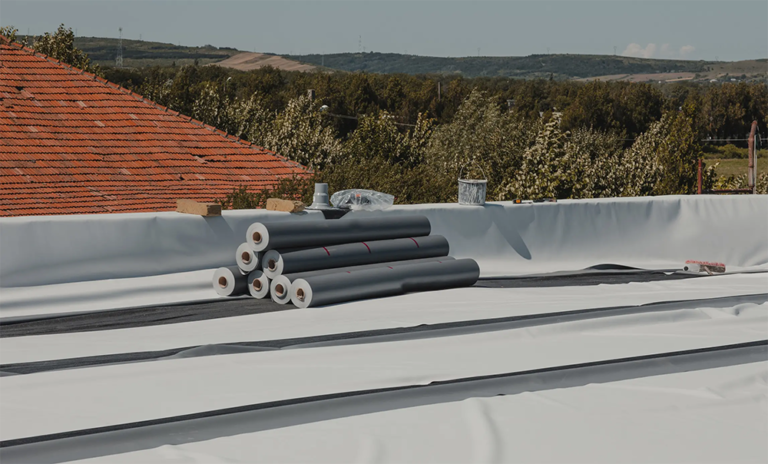
TPO roofs are durable and resist dirt, mold, bacteria, rot, and debris build-up, making them highly resistant to tears, punctures, and impact damage. Because TPO is more flexible, it accommodates building movement and settling without compromising performance.
As one of the most common roof types of commercial facilities, TPO has some of the best energy savings for single-ply membrane roofing, having received an Energy Star rating. TPO is also recyclable, making it an environmentally conscious system.
TPO has gained industry acceptance with its naturally reflective surface, which reflects UV rays. The National Roofing Contractors Association (NRCA) reported that TPO takes up about 40% of the commercial roofing market share. TPO membrane is a less expensive option than PVC.
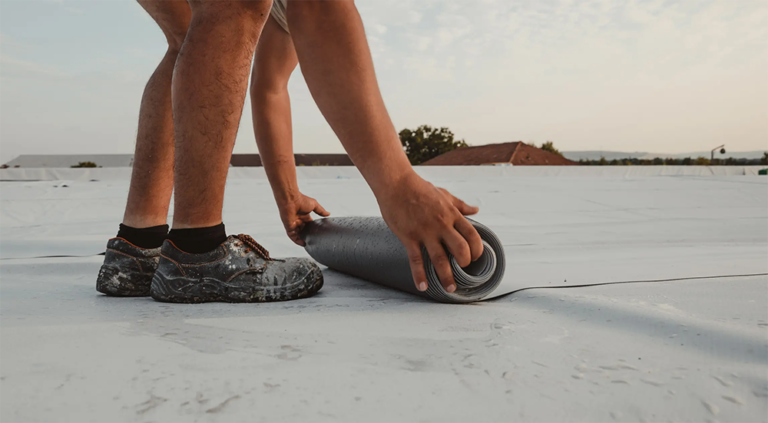
The best way to guard against roofing failures is to partner with a trusted commercial roofer who can install a durable, functional roofing system on your commercial or industrial property. An experienced contractor will have the skills and tools to install your new roof properly and create a maintenance plan to address any necessary repairs.
Whether you’re trying to find the right commercial roofing solution for a new building or replacing an old commercial roofing system in Orange County, California, contact Pacific Roofing Systems and talk to one of our specialists about TPO and PVC roofing. Our focus is ever on safety and providing unparalleled workmanship and a long-lasting roof.
PVC Roof Systems
For flat, low-slope roofs, tried-and-true PVC is a high-quality, durable way to protect commercial buildings, including condominiums, retail, and restaurants.
Made from polyvinyl chloride (plastic), PVC is an excellent single-ply roofing solution. This robust material protects against chemicals, water leaks, UV rays, and fire.
First installed in the early 1960s, PVC was the industry’s answer to the oil crisis, as it was the first membrane to contain half of the fossil fuels generally used in system manufacturing. It’s made from less oil and petroleum than thermoplastic polyolefin (TPO) or ethylene propylene diene terpolymer (EPDM). Besides the environmental benefit, PVC is highly reflective/UV resistant, making the membrane an energy-efficient option for warmer climates. It carries both Energy Star and Cool Roof ratings as a cool roof membrane. PVC is resistant to damage and discoloration from the sun’s radiation thanks to its reflective properties.
Engineers discovered that adding solid plasticizers to the PVC membrane allowed for additional weather resistance and flexibility, where the membrane alone would be more susceptible to seasonal climate changes. To this day, PVC membranes remain incredibly versatile and chemical resistant and are highly recommended for roof-over projects. They are available in various colors, thicknesses, widths, and reinforcements, making them an excellent option for almost any roofing project.
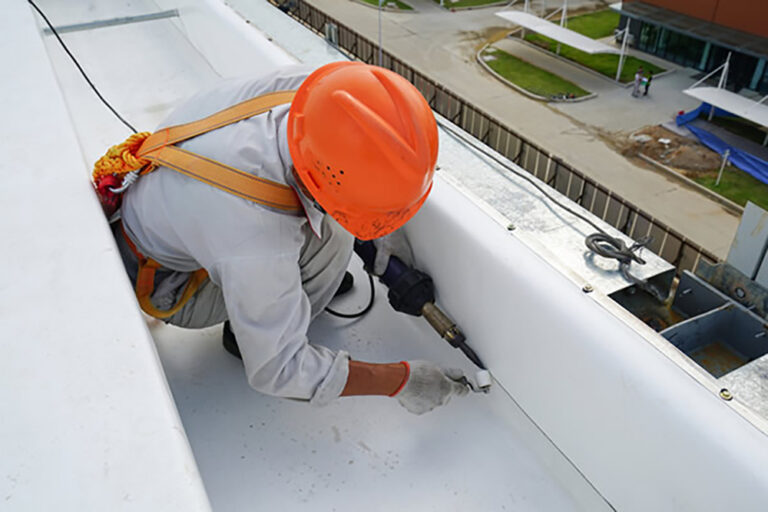
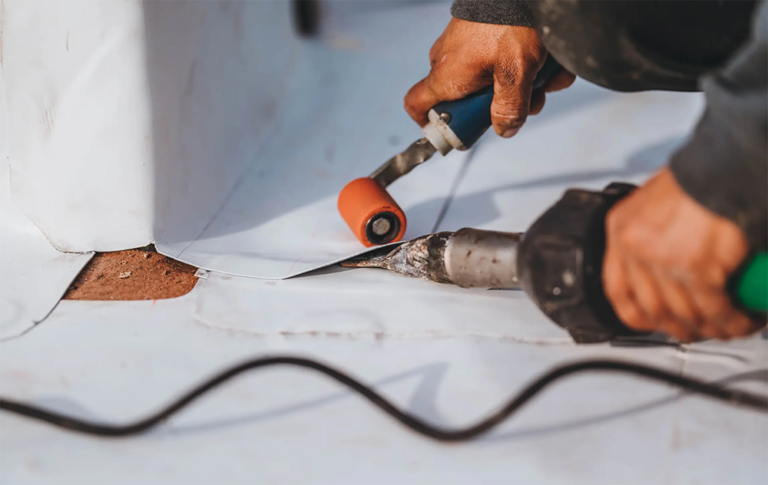
PVC can be installed by heat welding the seams, unlike other membranes that require adhesive or taped seams. This installation method allows a PVC roof to expand and contract with the building. PVC can also be sealed with solvent welding and attached to metal flashing and other components with adhesives.
Ready for a free estimate?
Call 949-495-4200 or fill out the form below:

